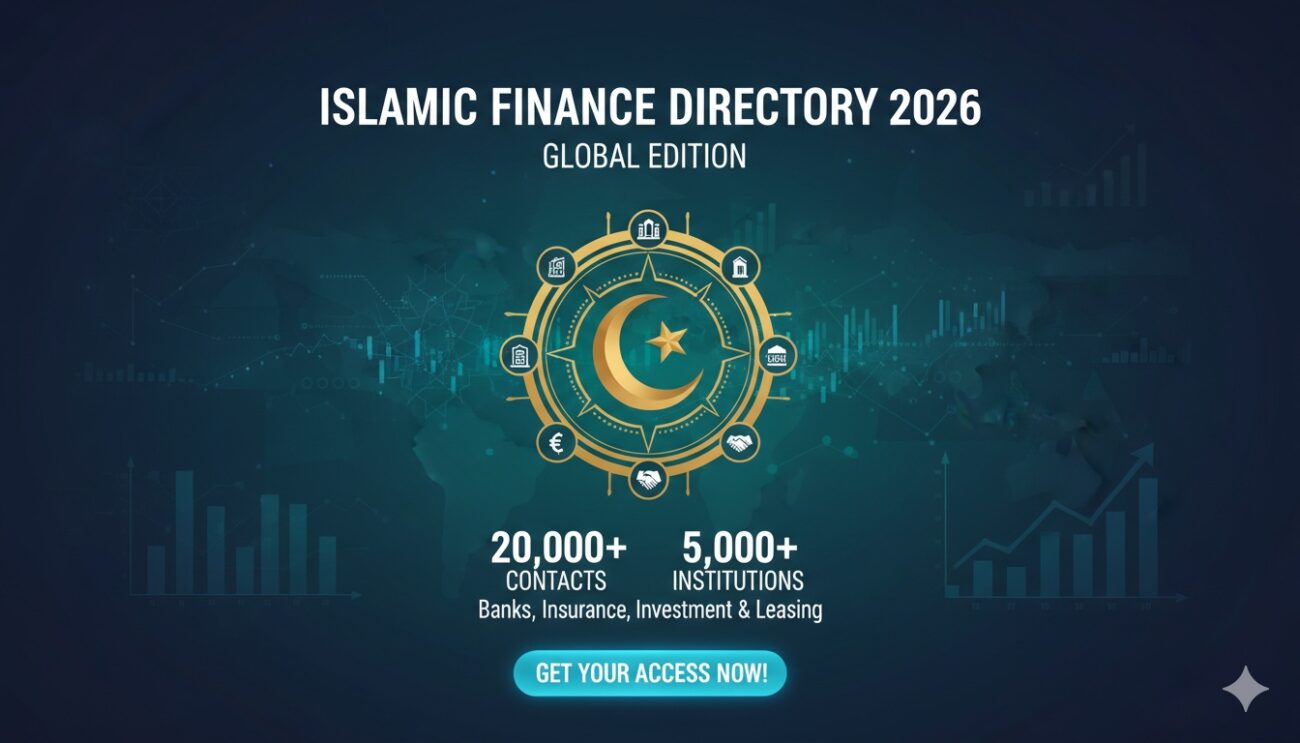
The 2026 edition captures the sector’s explosive momentum, with global Islamic finance assets approaching or exceeding $6 trillion in recent assessments, driven by double-digit growth in banking, sukuk issuance surpassing $1 trillion outstanding, and expanding takaful and funds. This directory empowers businesses, investors, and institutions to connect directly with key players in a market projected to reach nearly $10 trillion by the end of the decade.
Navigating the Global Islamic Finance Landscape in 2026
The Islamic finance sector continues its resilient expansion into 2026, demonstrating strong fundamentals even amid macroeconomic uncertainties such as fluctuating oil prices, geopolitical tensions, and evolving regulatory environments. Islamic banking remains the dominant force, accounting for roughly 72% of total industry assets in recent data, with total Islamic finance assets hovering near $6 trillion as of late 2024 figures extending into current trends. This growth reflects a 10-21% year-on-year increase in key segments, fueled by robust demand for ethical, asset-backed financing that avoids interest (riba) and emphasizes risk-sharing, transparency, and social responsibility.
Core markets in the Gulf Cooperation Council (GCC), Southeast Asia, and other regions drive this trajectory. The GCC, including powerhouses like Saudi Arabia, the UAE, and Kuwait, holds a commanding share of assets, bolstered by high oil revenues redirected into Sharia-compliant vehicles and ambitious national visions like Saudi Vision 2030. Southeast Asia, led by Malaysia and Indonesia, serves as an innovation hub, with Malaysia maintaining leadership in regulatory sophistication, sukuk market share (around 36% of global outstanding), and value-based intermediation initiatives that align finance with sustainable outcomes.
Islamic banking assets alone reached approximately $4.3 trillion in recent benchmarks, growing at 21% in key periods, with projections pointing toward continued acceleration. Financing growth in Asia-Pacific Islamic banking is forecasted to rebound toward 10% annually through the late 2020s, despite regional divergences in maturity and profitability. Takaful operators number in the hundreds across dozens of countries, with premiums expanding as awareness rises in underserved markets. Sukuk issuance remains a cornerstone, with sustainable and green sukuk gaining traction to fund infrastructure and climate-aligned projects.
The directory’s focus on over 5,000 institutions highlights the sector’s breadth: full-fledged Islamic banks, conventional banks with dedicated Islamic windows, takaful providers, investment houses specializing in Sharia-compliant equities and funds, and leasing (ijara) companies offering asset-based alternatives to conventional loans. Coverage extends across critical geographies, including major players in the Middle East and North Africa (MENA), where institutions benefit from supportive regulatory frameworks and growing cross-border connectivity.
Key Leading Institutions Shaping the Sector
The largest Islamic banks exemplify the industry’s scale and sophistication. Al Rajhi Bank (Saudi Arabia) consistently ranks as the world’s largest by assets, often exceeding $250 billion, followed closely by Kuwait Finance House (KFH) and Dubai Islamic Bank (UAE). These institutions dominate retail, corporate, and investment activities, with strong profitability metrics such as high return on equity (ROE) and solid capital adequacy ratios.
Other notable performers include:
Abu Dhabi Islamic Bank (UAE)
Alinma Bank (Saudi Arabia)
Maybank Islamic (Malaysia), a leader in Southeast Asia
Qatar Islamic Bank
These banks drive innovation in digital banking, SME financing, and project finance while maintaining rigorous Sharia compliance through dedicated boards of scholars.
Industry Growth Drivers and Projections
Several factors propel the sector forward:
Rising Demand for Ethical Finance : Increasing preference for Sharia-aligned products among Muslim and non-Muslim investors seeking stability and risk mitigation.
Regulatory Advancements : National strategies in the UAE, Indonesia, Türkiye, and others aim to boost Islamic banking penetration and sukuk listings.
Sustainability Integration : Growing issuance of green and sustainable sukuk, aligning with global ESG trends.
Geographic Expansion : Entry into new markets in sub-Saharan Africa, Europe, and beyond, with over 2,000 Islamic financial institutions operating worldwide.
FinTech and Digitalization : Enhanced accessibility through mobile platforms and tokenized assets.
Projections indicate global Islamic finance assets climbing toward $9.7 trillion by 2029, with an average annual growth rate of around 10%. Banking will continue leading, potentially reaching $6-7 trillion, while sukuk, takaful, and funds diversify the ecosystem.
Practical Value of the 2026 Directory
For professionals in trade, investment, project finance, or partnerships in Islamic markets, this directory serves as an indispensable tool. It enables targeted outreach to decision-makers across thousands of entities, facilitating deals in sukuk underwriting, syndicated financing, takaful reinsurance, or leasing arrangements. The inclusion of 20,000+ contacts streamlines networking in a relationship-driven industry.
As Islamic finance matures into a mainstream component of global markets—serving a quarter of the world’s population while appealing to broader ethical investors—the 2026 Directory provides the actionable intelligence needed to engage effectively.
Disclaimer: This article is for informational purposes only and does not constitute financial, investment, or legal advice. The Islamic finance sector involves risks, and readers should conduct independent due diligence.
